

Japan in all its beauty
Explore the many dimensions of this fascinating country, where historic cities meet scenic coastlines.

Make the most of every moment.
Explore the many dimensions of this fascinating country, where historic cities meet scenic coastlines.
Discover ancient shrines, traditional gardens, historic towns and the cultural practices passed down through generations.
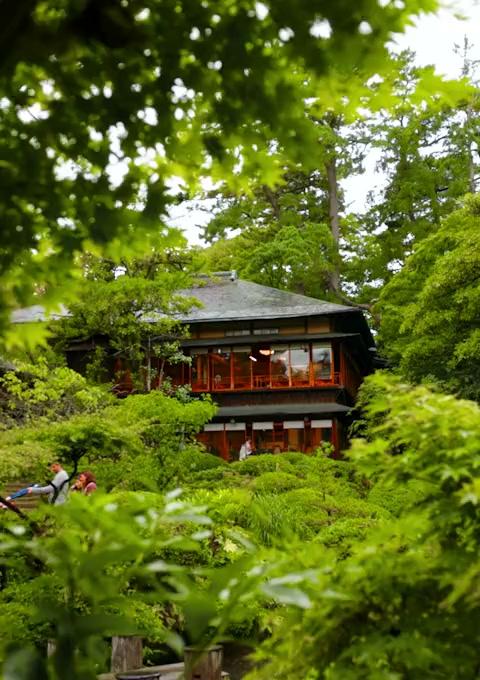
From masterful tuna preparation and powerful drumming performances to samurai heritage and traditional boats, discover Japan through its living traditions.
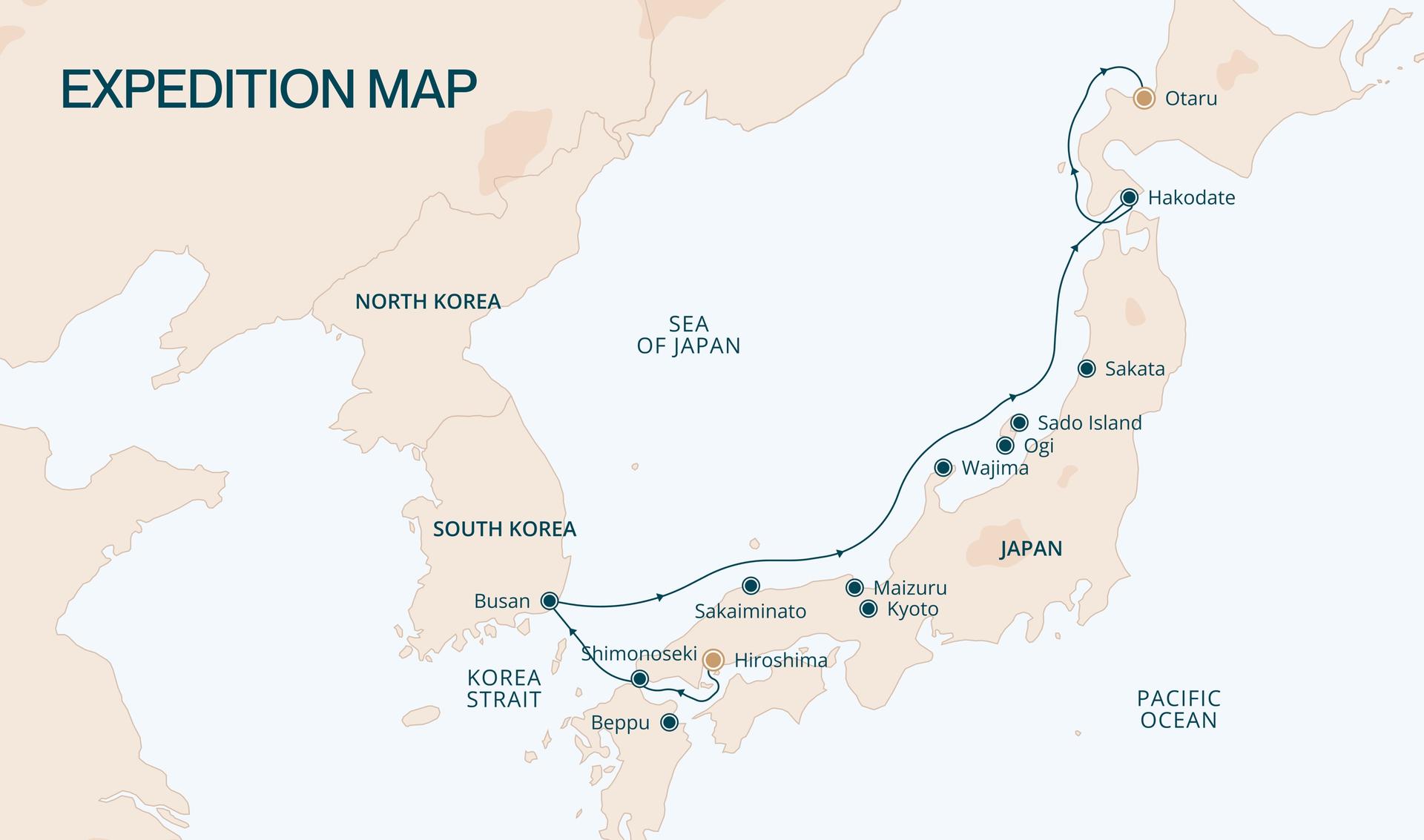
Every stop adds another layer to the journey, revealing the traditions, places and landscapes that make this voyage so distinctive.
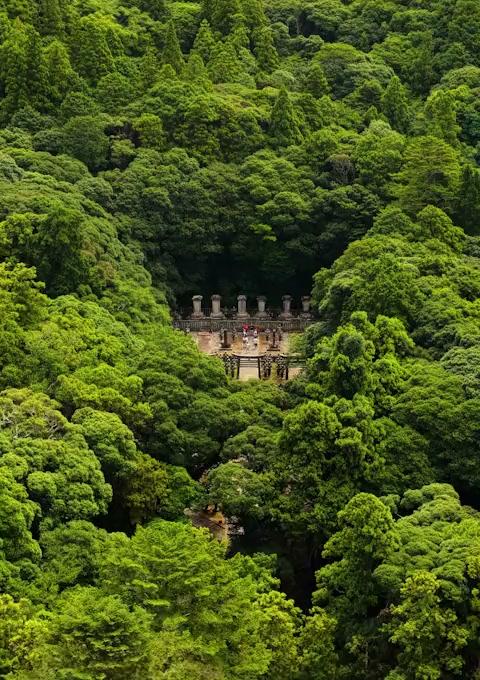
Hiroshima is a city of quiet strength, where modern life sits beside places of remembrance. It is also a gateway to nearby sacred landscapes, with calm coastal scenery and a strong sense of local tradition. It is an opening that sets a thoughtful tone for the voyage

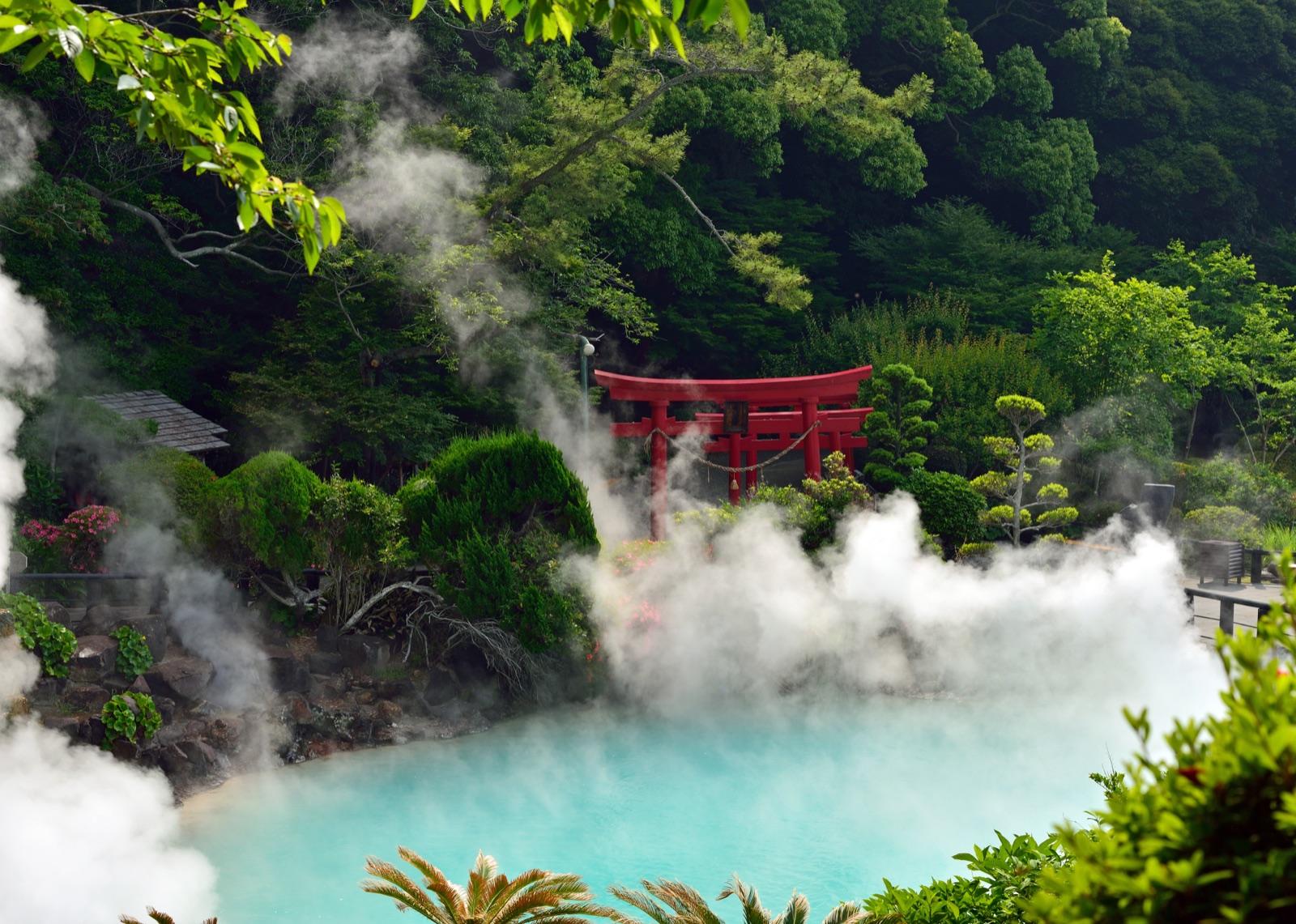
Beppu is best known for Jigoku Meguri ("Boiling Hells") - seven vivid geothermal springs too hot for bathing but offering stunning colours, bubbling mud and soaring steam. Nearby, Mount Takasaki's 1,500 wild Japanese macaques can be seen up close at Takasakiyama Monkey Park. A short trip away, Usuki features 60 stone-carved Buddhist statues in peaceful park grounds with feudal castle ruins and 1,000 cherry trees


Board your coach and drive to Jigoku hot springs. Jigoku means “hell”, and there are seven spectacular hot springs in Beppu known for unique colors and sights rather than an actual bath. They are results of various kinds of minerals and metal that react with the hot temperature of the boiling water. You will visit four of them on this half-day tour:
First drive up to Umi Jigoku (sea hell) features a pond of boiling, blue water and the onsen eggs made here are very popular. Walk over to the neighboring Oniishibozu Jigoku (monk’s shaven head hell) which gets its name from the gray mud bubbles it spouts that resemble a Buddhist monk's round shaven head. Hop on your coach once again head to Chinoike Jigoku (blood pond hell) a pond of hot, red water. Walk to Tatsumaki Jigoku (waterspout hell) geyser. Boiling water and fumaroles gush out at regular intervals.

From the pier, board your coach for the one-hour drive to the town of Usuki. Your first stop of the day is the Stone Buddha of Usuki, where Buddhist images are sculptured to rock faces, showing ancient form of Buddhist practice. The images are said to have been created from the Heian (794-1192) to the Kamakura (1192-1333) eras. Fifty-nine images were designated as national treasure after undergoing restoration. Continue to Usuki castle town. The current streetscape was built by the Inaba clan which ruled the area during the Edo period, and is characterized by a row of merchant houses set in a valley of samurai residences. Here you will see the Usuki Castle site, located on a hill in the eastern part of the city. Head down to the Nioza History Road, which features the unique aspects of castle town with high stone walls, massive tiled roofs, whitewashed buildings along the slopes. After experience the nostalgic olden days of samurai rule, drive back to the pier.
Good to Know: At Usuki Stone Buddha, you need to wallk steep slope. Usuki Castle Ruins have many steps and, graveled path You are requested to walk approx 2000m. This tour is not considered suitable for passengers with walking difficulties
Sailing through the Kanmon Strait is challenging with strong currents and an S-shaped bend. One of the world’s busiest shipping lanes, the strait cuts a dramatic 38 km (24 mi) channel, narrowing to 700 m (0.4 mi) at its tightest point. The graceful Kanmon Bridge, a 1,068-m (3,504-ft) suspension bridge, spans the waterway between Honshu and Kyushu. Shimonoseki overlooks the strait from Honshu, while Moji district stands watch from Kyushu

A castle town on the northern coast of Kyushu, where a 16th-century fortress sits on a pine-covered promontory above the bay. Karatsu is one of Japan's principal centres of ceramic production — Karatsu ware has supplied tea ceremony vessels since the late Muromachi period, and working kilns still operate on the town's outskirts. The beach of Niji-no-Matsubara, a coastal pine forest stretching several kilometres along the shore, has been considered one of Japan's three most scenic pine groves for centuries

Busan is a port city with beaches, hills, and a busy harbour energy. It blends memorial sites and modern neighbourhoods with markets that still feel local and direct. Compared to Japan’s smaller ports, it is louder, bigger, and more urban


Discover the vibrant charm and coastal beauty of Busan on this unforgettable tour. Begin your journey at Gamcheon Culture Village, once a modest hillside community for Korean War refugees, now transformed into a colourful mosaic of street art, murals, and creative spaces thanks to a community-led revival. Wander through its winding alleys filled with charm, history, and artistic energy.
Next, head to the scenic Songdo Beach Skywalk, Korea’s longest curved overwater path. Stretching 104 meters over the sea, this glass-bottom walkway offers breathtaking views of the coastline and a thrilling seaside experience. Wrap up your tour at the lively Jagalchi Fish Market, Korea’s largest seafood market and a beloved Busan landmark. Immerse yourself in the sights, sounds, and flavours of the ocean as you explore bustling stalls filled with freshly caught seafood—and even enjoy a taste of the catch if you’d like. This tour offers a perfect blend of history, culture, and seaside atmosphere—an ideal way to experience the unique spirit of Busan.

After meeting your guide at the port, begin your exploration of Busan with a short drive to Yongdusan Park, one of the city's most iconic landmarks. Surrounded by lush greenery in the heart of downtown, the park offers a relaxing atmosphere and beautiful views over the city and harbor. Here you will visit Busan Tower, where you can enjoy panoramic views of Busan's skyline, mountains, and coastline from the observation deck. Continue to Jagalchi Fish Market, Korea's largest seafood market and one of Busan's most famous attractions. Stroll through the lively market, where local vendors display an impressive variety of fresh seafood, providing a fascinating glimpse into the city's long-standing maritime culture. Your guide will introduce the history and significance of the market while you experience its vibrant atmosphere. From Jagalchi Market, enjoy a leisurely walk to the nearby shopping district of Nampo-dong and Gukje Market. This bustling area is well known for its mix of traditional markets, modern shops, local boutiques, and street food vendors. Depending on the group's interests and available time, guests will have free time to browse the shops, purchase souvenirs, sample local snacks, or simply soak up the lively atmosphere of downtown Busan. At the designated time, regroup with your guide and board your coach for the return drive to the port.

Your journey begins with a comfortable departure from the port as you travel inland toward Gyeongju, the ancient capital of the Silla Dynasty and one of Korea’s most culturally significant regions. Your first stop is the magnificent Bulguksa Temple, a UNESCO World Heritage. Site renowned for its serene atmosphere and masterful stone architecture. As you explore the temple grounds, you’ll discover centuries-old pagodas, intricate carvings, and panoramic views that showcase the elegance of traditional Korean Buddhist design.
After the temple visit, enjoy a relaxing drive through the scenic countryside before stopping for lunch at a local restaurant.
The tour then proceeds to Tumuli Park, home to large grassy burial mounds that house the remains of Silla royalty. Walking among these ancient tombs offers a unique glimpse into Korea’s early history and the sophisticated burial culture that defined the kingdom. The park’s expansive landscape and peaceful pathways make it an engaging and photogenic part of the journey.
Next, a short drive brings you to the Gyeongju National Museum, the cultural heart of the city. The museum displays an extraordinary collection of artifacts, including gold crowns, pottery, sculptures, and relics excavated from royal tombs and palace sites. These treasures provide a rich and tangible picture of Silla society, craftsmanship, and beliefs. After immersing yourself in Gyeongju’s history and heritage, you will return to the port with a deeper appreciation for Korea’s ancient past and its lasting cultural legacy.
Good to Know: Drive is 1h30 each way This tour requires a total walking distance of approximately 4Km (2.2 miles). The pathways in Tumuli Park are a mix of sand and paved walkways. Bulguksa Temple features both earthen and paved surfaces, but certain areas include numerous steps and fairly steep slopes, which may be challenging for wheelchair users.
Sakaiminato has the feel of a working coastal town, shaped by seafood, folklore, and a slower pace. Nearby landscapes shift quickly from shoreline to forested mountains, with gardens and museum spaces that match the region’s quiet aesthetic. It is a softer, more intimate stop after Busan


Depart from the pier and your first destination is Adachi Museum of Art. Housing an impressive collection dating from 1912 to the present, including works by Yokoyama Taikan, one of the major figures in Japanese modern art, the Adachi Museum of Art, founded in 1980, is known not only for its galleries of pottery, wood carvings and artwork but also for its extraordinary gardens. Considered to be the most beautiful gardens in Japan, it is home to a moss garden, a pond garden, a tea garden and a pine tree garden set off by stark white gravel.
Your next stop is Yushi-en Garden. Located on Daikon Island, Yushi-en is a breathtaking garden of over, 40,000 square meters that thrives through all four seasons. Established in 1975 as a private garden, the grounds feature an array of landscape elements from gardens to waterfalls, streams and rock gardens. Yushien's main attraction is its collection of Japanese peony flowers, with over 250 different types that bloom in an array of colors.
Good to Know: Some areas of the Adachi Museum of Art are accessible only by stairs. At Yushien Garden guests will walk on gravel path and steppingstones.

This curated cultural tour offers a fascinating journey through feudal history and traditional Japanese artistry in the Matsue area. A 50 minutes’ drive will take you to the Matsue Castle, one of only twelve castles in Japan to retain its original main tower. Completed in 1611 shortly after the final major conflicts of the feudal era, this landmark is celebrated for its imposing black exterior, earning it the nickname "Plover Castle". The impressive main keep, which is designated a National Treasure, now serves as a museum. Explore the interior across multiple floors, viewing authentic period arms, armor, and historical artifacts that chronicle the castle's history and the life of the samurai. The tour continues with a visit to the Abe Eishiro Memorial Hall, dedicated to the life and legacy of master craftsman Abe Eishiro (1903-1985). Eishiro was a pivotal figure in the world of washi (traditional Japanese paper) and was profoundly influenced by the early 20th-century Mingei Folk Art Movement.
At the hall, you will discover documents and materials detailing his craft, focusing on the beautiful and durable "Izumo Mingei Paper" that he developed. During this visit you will have the chance to try the ancient method of making washi paper, connecting directly with this cherished Japanese tradition.
Good to Know: You are requested to walk approx. 1.5km (1 mile) and negotiate 200 steps at Matsue Castle. There are no elevators nor escalator. Steps inside the Castle are very steep steps.
A fishing village on the northern coast of the Tango Peninsula, where around 230 funaya — traditional boathouses built directly over the water — line the inner shore of a near-circular bay. Residents moor their boats on the ground floor and live above. The village has changed little in two centuries and carries national preservation status. Approached from the sea, the funaya present an unbroken wooden facade at the waterline — one of the most distinctive streetscapes in Japan

Enjoy a special visit to the picturesque waterfront district of Ine, known for its traditional Funaya (boat houses) lining the tranquil bay.
On arrival, you'll receive a detailed area map to help you explore the Funaya district at your own pace. You can step inside three preserved Funaya and get a rare glimpse into the unique lifestyle and maritime heritage of the local community. Japanese-speaking attendants are on hand at each site, and an English-speaking guide is also available at every boathouse to translate and share more about what you're seeing.
At the Funaya Restaurant, take a moment to relax with a selection of traditional Japanese sweets and refreshments. Nearby, the local Tourist Information Center displays and sells regional handicrafts, including pieces made from Tango Chirimen, the area's renowned silk textile.
To round out your visit, exhibits on the lively Ine Festival bring this important local tradition to life through information panels and video presentations.
Maizuru carries naval history and a clear link to the Meiji era, with brick warehouses and a harbour built for strategy. The wider region opens into classic Kyoto area scenery, where refined culture, temples, and historic districts are within reach. It is a day that balances port history with inland elegance


This tour gives you the opportunity to discover two of Japan’s most iconic and serene destinations. A two-hour drive will take you from Maizuru to the serene world of Arashiyama, a historic retreat cherished by aristocrats since the 9th century. The visit starts at Tenryuji Temple, the foremost of Kyoto’s five great Zen temples. Founded in 1339 by Shogun Ashikaga Takauji, this UNESCO-listed landmark features one of Japan’s most celebrated Muromachi-period landscape gardens, a tranquil masterpiece that has endured through centuries of restoration. Next is the Arashiyama Bamboo Grove, right next to Tenryuji Temple. You will be amazed by this wonderful green world, so enjoy taking pictures surrounded by hundreds of bamboo stalks. After a traditional Buddhist lunch, continue to the world-renowned Kinkakuji Temple (the Golden Pavilion). Originally built in 1397 as a shogun's grand retirement villa, this UNESCO World Heritage Site is an absolute must-see. Gaze upon its top two floors, gilded entirely in brilliant gold leaf, and admire its stunning, mirror-like reflection shimmering across the pristine waters of Kyoko-chi (Mirror Pond). Good to Know: The drive from Maizuru is about two hours each way, depending on traffic. Guests wishing to enjoy some additional free time can skip lunch and meet the group at the meeting point.

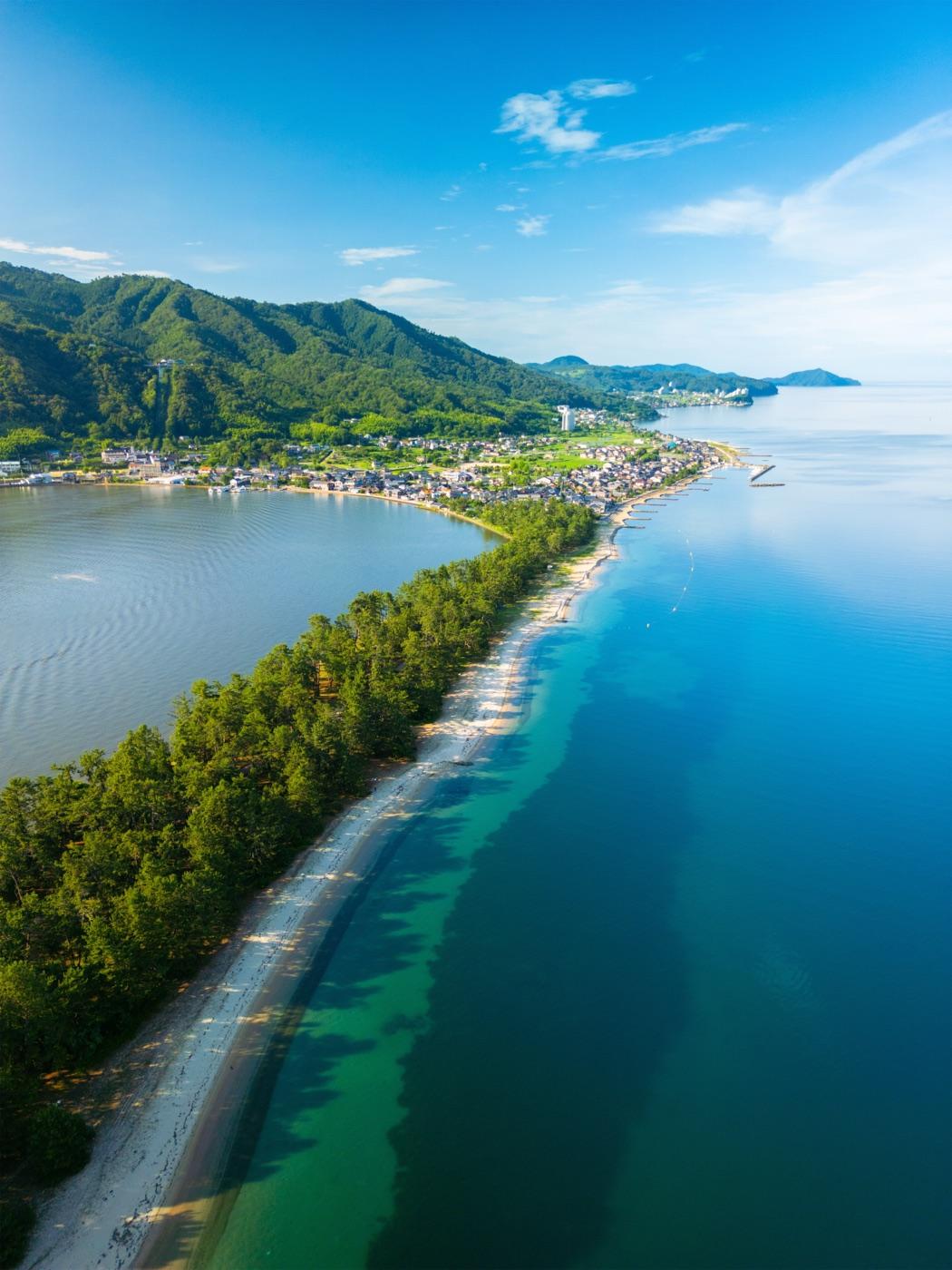
Discover the enchanting beauty of Amanohashidate, one of Japan's three most celebrated scenic views, while exploring the rich textile heritage of the Tango region from your Maizuru port stop. This tour combines spiritual significance and breathtaking natural landscapes.
Amanohashidate is a strip of sand bar connecting two ends of the Aso Bay and has been believed to be a creation of the Shinto gods. This pine-covered sand bar stretching across Miyazu Bay creates the famous "bridge to heaven" vista that has inspired poets and artists for over a millennium. An approximate one hour drive from the port takes you to the Chionji temple here we start off the day around Amanohashidate. The temple's founding myth tells deep connection to the sacred sandbar, as the Monju-bosatsu, the Buddha housed in Chionji, tamed the malevolent dragon gods to bring peace and order.
Just outside of the temple is the boat landing from which a boat will take you across to the northern end of Amanohashidate. An approximate 12-minute ride will offer a different view of the sandbar. Once arriving at Ichinomiya station, take a brief walk uphill to the cable car station to ascend to Kasamatsu Park for the iconic view of Amanohashidate from up above. You'll understand why this natural wonder captivates visitors when you witness the pine trees seemingly floating between sky and sea. Follow local tradition, the 'Matanozoki', try taking a photo while standing with your back to the view, bending over to look at Amanohashidate through your legs. This upside-down perspective makes the sandbar appear as though it’s a bridge floating up into the sky
Take the cable car back down to near sea level and walk down to the Motoise Kono Shrine, an ancient Shinto sanctuary that holds profound spiritual importance as the original home of Amaterasu, the sun goddess, before she was enshrined at Ise Grand Shrine. This 1,300-year-old temple complex allows you to witness traditional Japanese architecture and experience the serene atmosphere of sacred grounds where emperors once worshipped. Your exploration of Amanohashidate concludes here, and after a short drive on the bus you will arrive at the lunch venue for a Japanese-style lunch featuring some local ingredients.
Good to know: This tour involves approximately 1.6 km (1 mile) walking overall with steps on flat and mostly paved ground. Some inclination at Kasamatsu Park. Walking at Amanohashidate is about 1 hour.

Your half-day exploration begins with visit to Red Brick Park and Museum, which is a cluster of 12 brick warehouses collectively. These buildings designed in the modern architectural style are considered to be some of the most valuable brick structures still standing. In the Meiji Period, 9 buildings were constructed and 3 more were built in the Taisho Period to be used as warehouses by the former navy. Of these 12 buildings, 8 are designated as the Important Cultural Property of Japan under the name, "Former Maizuru Navy Weapon Warehouses." Furthermore, 5 of these buildings are preserved, one of which is open as a museum showcasing the history of Maizuru City.
Next visit is Maizuru Repatriation Memorial Museum. After the end of World War II from 1945 and spanning a total of 13 years, the Port of Maizuru welcomed repatriates from former Manchuria and Siberia. This museum narrates the factual history of this repatriation as well as about the internment of the Japanese soldiers and civilians in Siberia. On exhibit are letters written to families from Siberia, everyday items used during the internment, and the replicas of the repatriation ships that arrived at Maizuru Port. Lastly, enjoy the stunning view from Goro Sky Tower. A panorama of the deeply indented shoreline and scattered islands – part of the beauty of Maizuru Bay, which has been chosen as the most scenic spot in the Kinki area – can be enjoyed from the observation tower.
Wajima, a port town on the northern Noto Peninsula, is famed for its Wajima-nuri lacquerware, which is renowned for its durability and displayed at the Museum of Lacquer Art. Nearby, Kiriko Hall displays huge illuminated festival floats, some 15 metres tall, used in summer celebrations

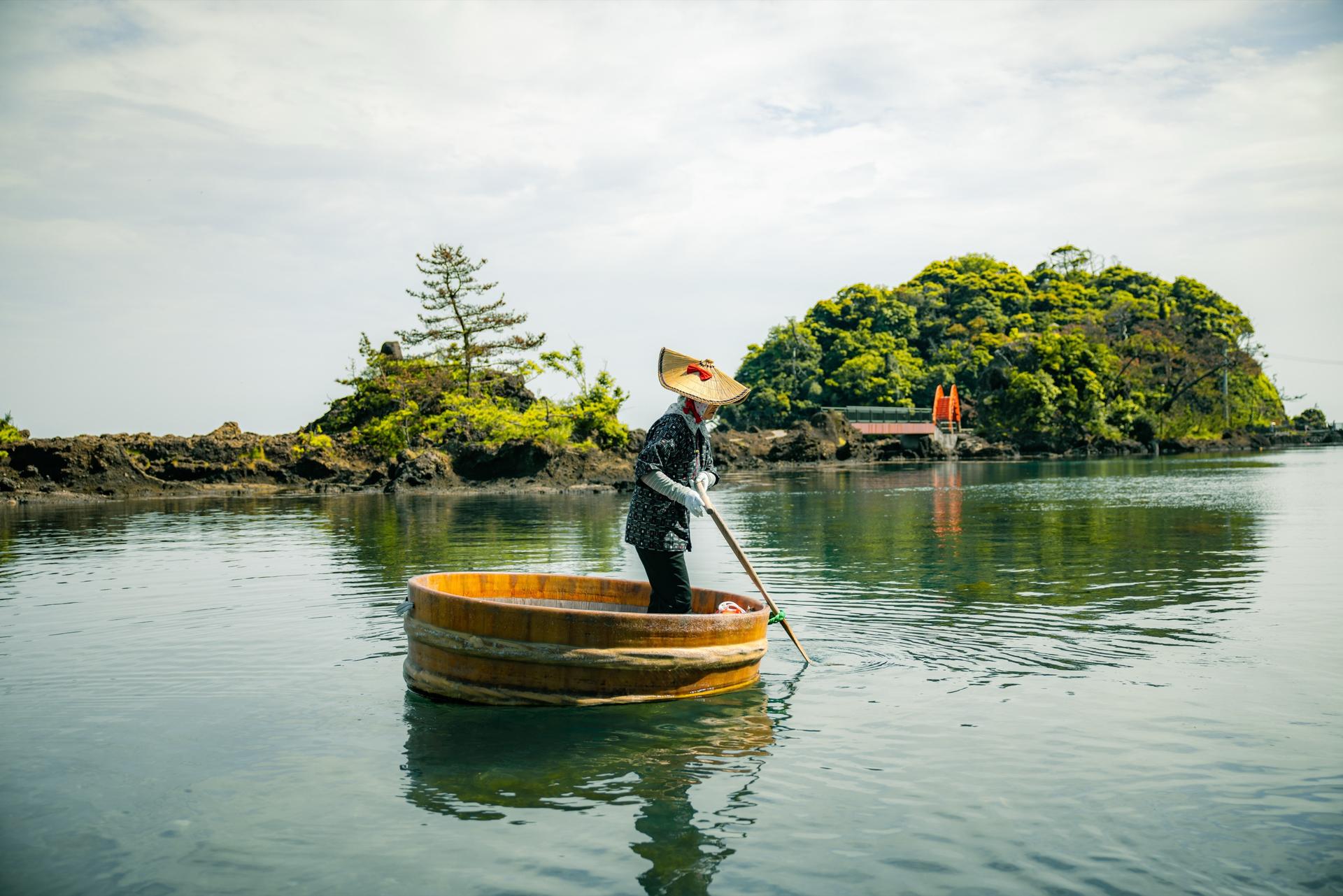
Sado, Japan's sixth largest island, has a quaint port at Ogi known for tarai-bune, traditional wooden boats. The island is also famous for its world-renowned taiko drummers, continuing a rich cultural tradition. Once a place of exile for artists and academics, Sado now draws visitors to its rugged coasts, hidden beaches and lush terrain for outdoor activities


No visit to Sado Island is complete without a ride in a Tarai-bune, the charming round tub boat that has become the symbol of the Ogi area and one of the island's most iconic images. Originally developed from a simple washing tub and refined over generations into a vessel perfectly suited to navigating the deeply indented, reef-strewn coastline of Ogi, these small wooden boats were the tool of choice for local fisherwomen collecting shellfish and seaweed along the rocky shore. Rowed with a single oar, they are deceptively nimble and surprisingly fun to try for yourself as you drift along one of the most picturesque stretches of the Ogi coast. From the water's edge, the tour continues to Shukunegi Village, one of Japan's designated Preservation Districts for Groups of Historic Buildings and a place where the Edo period feels remarkably close. The village prospered during the height of Sado's gold mining era, when wealthy shipowners and skilled shipbuilders made their homes here, and the narrow stone-paved lanes winding between traditional houses still carry that quiet, unhurried atmosphere. The exteriors are characteristically understated, but step a little closer and many of the homes reveal beautifully lacquered interiors, a glimpse of the prosperity that once defined this community. The tour ends with a short drive uphill to the Hakusan Maru Exhibition Hall, where a full-scale replica of a kitamae merchant ship brings the island's maritime heritage to life. Built to the original 1858 design drawings of a sengokubune wooden freight ship constructed right here in Shukunegi, it is a remarkable piece of living history.
Good to Know: To avoid overcrowding at the sites visited, the tour may run in reverse order depending on the number of groups.

Based on Sado Island, the taiko performance group Kodo is widely known, not only within Japan but throughout the world, for its awe-inspiring taiko drumming performances. This tour is your chance to learn the art of taiko drumming from the best of the best at a taiko drumming workshop facility run by Kodo. Here you will be greeted by your instructors, who are former members of the group or have trained with it. Learn about the history of Kodo and its connection with the island of Sado in a brief lecture before the taiko lesson. You will also have the chance to watch a performance by your instructor. Hear and feel the difference between the sound you produce on a taiko drum and that made by your instructor on the same drum. The sound of the taiko will resonate through your entire body, which is one of the reasons taiko drums are considered the voice of the earth. The next stop is Shukunegi Village. The area flourished as a village of shipowners and shipbuilders in the Edo period, when Sado thrived on gold mining. Narrow stone-paved paths between private houses retain the atmosphere of the old days, and the area is designated as one of Japan’s Preservation Districts for Groups of Historic Buildings. A quick drive uphill brings you to the exhibition hall of the replica kitamae merchant ship “Hakusanmaru”. The ship was built to the original scale, based on the design drawings of a sengokubune (wooden freight ship) built in Shukunegi in 1858.

Enjoy an easy ride on an E bike along the coastline of Sado. E bikes are sport bikes with electric power assistance which helps you climb up hills without much power. These bikes will also enable you to ride longer distances with less fatigue.
A short walk from the pier will take you to Marine Plaza Ogi where you will get your E bike. Follow your guide along the picturesque road along the coastline of Ogi. Make stops en route at Shukunegi, Chojagabashi Bridge, and Mushiya Cove for breaks and photo stops.
Shukunegi is an area known for the merchant houses which belonged to owners of the kitamaebune merchant ships as well as shipbuilders. The black walls of these houses which line up along narrow streets is a unique and iconic landscape of Sado. Chojagabashi B ridge, which marks the halfway point of the tour, is a beautiful white bridge with a spectacular view looking out to the ocean. Last, Mushiya Cove is a small inlet with clear emerald green water, perfect for a quick photo stop.
Having completed your visits, return to Marine Plaza Ogi and then walk back to the pier.
Sakata, a port city on the Mogami river, thrived on rice and safflower trade. The traditional 1893 Sankyo Rice Storehouses, shaded by zelkova trees, are now a cultural hub with shops. The city's quiet streets feature preserved, wealthy Edo-era homes, including the Honma Museum of Art with fine art and gardens. South of the river, The Ken Domon Museum honours the famed photographer’s powerful work, including images of Hiroshima survivors


Sakata offers an exceptional opportunity to experience one of Japan's most profound spiritual journeys on Mt. Haguro, the peak symbolizing the Present within the ancient Dewa Sanzan pilgrimage known as the Journey of Rebirth. This remarkable experience will immerse you in a mystical, 2.3km (1.5 miles) ascent through an awe-inspiring ancient cedar forest. The trail is steeped in history, with centuries-old shrines and temples creating an atmosphere of profound tranquility and deep spiritual resonance.
The journey starts as you step from the modern realm of the parking lot and enter the sacred domain of Mt. Haguro through the Zuishinmon Gate, serving as the formal entrance for spiritual seekers since the 6th century. Following in the footsteps of centuries of pilgrims, you will undertake the formidable ascent of 2,446 weathered stone steps to the summit. Along the sacred path, you will encounter the magnificent Five-Story Pagoda (Goju-no-to), a designated National Treasure. Standing an impressive 29 meters tall, this distinctive architectural marvel dates back to its restoration in 1608 and serves as a stunning centerpiece amid the towering, ancient cedars.
As you reach the summit, marvel at the Sanjin Gosaiden. This grand shrine complex is the central sanctuary where the deities of all three sacred mountains are jointly enshrined. The shrine represents the harmonious and unique fusion of Buddhism and Shinto, known as Shinbutsu-shugo, that has defined the spiritual character of this mountain for over fourteen centuries.
Good to Know: This visit includes a climb of 2,446 steps. Because the path follows a continuous route, participants should be comfortable completing the full ascent, as there are no exit points along the way. Steps are uneven and might be slippery.

This tour is a simplified version of the Mt. Haguro tour, giving guests the opportunity to connect with the mountain's sacred history by combining a partial ceremonial climb with a comfortable transfer to the summit. This experience focuses on Mt. Haguro, which symbolises the Present in the ancient Dewa Sanzan pilgrimage known as the Journey of Rebirth. The spiritual journey commences as you enter the sacred domain through the Zuishinmon Gate, the traditional entrance for seekers since the 6th century. Here, you will follow a portion of the original pilgrims' path, undertaking a manageable ascent of 313 weathered stone steps, returning down the same 313 steps afterwards. This initial trek leads through the mystical ancient cedar forest directly to the magnificent Five-Storey Pagoda (Goju-no-to), a designated National Treasure. This impressive structure stands 29 metres tall and dates back to its 1608 restoration, serving as a stunning centrepiece amid the towering, centuries-old cedars. After exploring the pagoda, we will return to the base area and board a comfortable coach for a scenic, direct transfer to the top of Mt. Haguro. This ensures all participants reach the mountain's summit with ease and safety. We will then continue to Sanjin Gosaiden. This grand shrine complex is the central sanctuary where the deities of all three sacred Dewa mountains are jointly enshrined. The site beautifully represents the unique and harmonious blend of Buddhism and Shinto that has defined the spiritual character of this mountain for over fourteen centuries. Good to Know: This tour includes 313 steps up and the same 313 steps back down, around 600 steps in total. If you feel unable to complete the full ascent, you are welcome to rest midway and rejoin the group as they descend. Please note that stopping early means you will miss part of the visit and commentary.

Discover the fascinating world of Japan's historic maritime merchants in Sakata, a coastal city that flourished as a vital trading port during the Edo period. This cultural journey takes you through the legacy of the wealthy Kitamae merchants, who shaped the region's prosperity through the rice and safflower trade. Your cultural exploration begins at the renowned Homma Museum of Art, established by the influential Homma merchant family. This elegant museum houses an impressive collection of Japanese paintings, ceramics, and historical artefacts that showcase the refined taste and cultural patronage of Sakata's merchant elite. Next, visit the exclusive Sanno Club, a historic restaurant that served as a social hub for wealthy merchants and local dignitaries. This beautifully preserved Meiji-era building offers insights into the sophisticated lifestyle of Japan's business leaders, featuring elegant meeting rooms and traditional architecture that reflect the prosperity of the merchant class. The tour continues to the iconic Sankyo Rice Storehouse, a symbol of Sakata's agricultural wealth. These massive wooden structures, built in the early 20th century, once stored vast quantities of rice for distribution across Japan. Take a stroll along the street where the storehouses stand and take in the iconic scenery. Good to Know: Guests will have to walk on uneven ground and negotiate about 50 steps during the tour, both uphill and downhill.
The city of Hakodate in Hokkaido is Japan's northernmost island and is well-known for its seafood, for sale daily at the morning market. Mount Hakodate, reached by gondola, watches over the bustling city. While the area is rich in hot springs, it is best known for the famous snow monkeys who bathe in the hot springs of Yunokawa Onsen at the Hakodate City Tropical Botanical Garden


Your journey into Hokkaido's stunning natural landscape begins the moment you step ashore at the Hakodate pier. From the port, a scenic, approximately 45-minute drive transports you directly to the serene beauty of Onuma Park, a treasure designated as a Quasi-National Park in 1958.
This breathtaking area is not just a park, it's a dramatic landscape forged by the ancient volcanic eruptions of the majestic Mt. Komagadake.
Our visit will start with an immersive, 30-minute boat cruise on the tranquil lake. You will glide across the water, cruising around the numerous small islands that were themselves sculpted by the volcano's fiery history.
Next, you will join your local guide for an intimate exploration on foot. Enjoy a refreshing walk along a natural hiking path and partake in a unique mini-island-hopping experience, crossing the charming bridges that connect the park's islets.
The lakes are a mesmerizing tapestry, dotted with 126 islets connected by a total of 18 quaint bridges, all framed by a dense, vibrant forest of beech and maple. Your guide will pause to share fascinating commentary on the unique nature and wildlife of Onuma, enriching your appreciation of this volcanic paradise.
Good to Know: The walk is about 3 km (1.8 miles) on dirt trails and wooden decking, which can be slippery when wet.

Experience the best of Hakodate with a captivating tour that combines history, breathtaking views, and charming streets. Ascend Goryokaku Tower for a spectacular panoramic view of the unique star-shaped Goryokaku Fort and the city beyond. Built in the final years of the Edo period (mid-19th century) as a Western-style fortress, it was designed to defend Hakodate against potential foreign invasions. It later became the primary battlefield of the Battle of Hakodate (1868-1869), the final conflict of the Boshin War, where the forces of the Tokugawa Shogunate made their last stand against the new Imperial government. The unique star-shaped architecture can be observed from the observatory of the tower.
Next, drive up to the top of Mt. Hakodate to witness a stunning view of the city located on the Oshima Peninsula. Descend to the foot of the mountain using a cable car and take in the spectacular view as you ride down. Once arriving at the mountain foot station, set out on a walking tour around the Motomachi district admiring its charming Western-style architecture, foreign residences, and churches nestled on picturesque sloping streets. Hakodate was one of the first ports in Japan to open to international trade in 1859, following the Treaty of Amity and Commerce with the United States. As a result, Motomachi became a designated foreign settlement area. Merchants, diplomats, missionaries, and sailors from various Western countries (Russia, Britain, America, etc.) established their residences, consulates, churches, and businesses here. Good to Know: This visit involves about 1.25 km (0.7 miles) walking on cobblestones and inclines.
An important port on Hokkaido, Japan’s northernmost island, Otaru retains original architecture. Restored warehouses along its canal, lined with Victorian street lamps, house restaurants and boutiques selling sake, music boxes and renowned Otaru glass. Rooted in the herring industry, the town's trading history is evident from Hokkaido's first railway line terminal to the Herring Mansion on the outskirts, once owned by wealthy herring fishermen

Expert knowledge, first-hand field experience and a highly trained expedition team make every landing both insightful and carefully managed.
Expert knowledge, first-hand field experience and a highly trained expedition team make every landing both insightful and carefully managed.
Expedition Leader
With a degree in Hotel Management alongside a wealth of first-hand hotel and hospitality experience, Ralf is a highly accomplished dive instructor, Zodiac driver and Antarctica field guide. Originally from Germany, his career has taken him the world over, from luxury resorts across Europe and the Caribbean to the wilds of Antarctica and many more in between. His unique skillset has since led him to life as an experienced, passionate and knowledgeable cruise expedition guide
Assistant Expedition Leader
Born in Sweden, Gustav has a natural love for all things nature and wildlife. His extensive background as a naturalist is complemented by years of experience guiding expeditions in diverse environments, from the polar regions to the Red Sea. Gustav discovered his passion for the ocean while scuba diving in Egypt, sparking a career dedicated to exploring and sharing the wonders of the natural world. He has since worked on cruise ships as an expedition guide and naturalist, bringing destinations to life with his deep knowledge and infectious enthusiasm.
Assistant Expedition Leader
Originally from Germany, Julia moved to the Caribbean 26 years ago, beginning a lifelong adventure shaped by different cultures, nature and travel. With a background in hospitality and tourism, she spent 23 years in the industry, progressing to General Hotel Manager and Resort Manager before joining Swan Hellenic as a Guide and later Assistant Expedition Leader. A certified Rescue Diver with 30 years of diving experience, Julia is passionate about marine life and conservation. Based in Bonaire, she also works as a local tour guide and volunteers to protect turtles and flamingos and keep the island clean.
Guide Cultural History
A historian by training and guide by passion, Natalia brings together a love of history, culture and exploration. With experience living and working in remote environments, she enjoys sharing the stories, traditions and landscapes of the places she visits. Curious and passionate, Natalia is dedicated to helping guests discover each destination from both a historical and local perspective.
Perfect for travellers who are independent and happy doing their own thing before and after their cruise.
You don’t need to be a professional photographer to take part. Bring your camera and your curiosity, and let Asia Pacific’s islands, wildlife, and the ever-changing light become your classroom.
We’re currently putting together the details for our Photography Program. If you’re already keen to join, please leave your name and contact details, and we’ll be in touch as soon as we have more information.

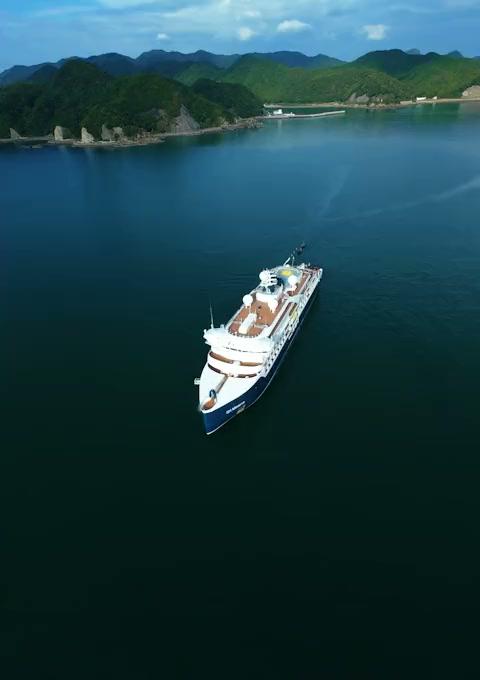
Built in the Helsinki Shipyard in Finland, SH Minerva features elegant interiors, wide unobstructed views throughout the ship, and dedicated expedition facilities—so you can explore remote destinations in style and comfort. Whether you’re taking in remarkable scenery from a panoramic sauna, dining in a world-class restaurant, or unwinding in your sumptuous stateroom, SH Minerva has you covered.
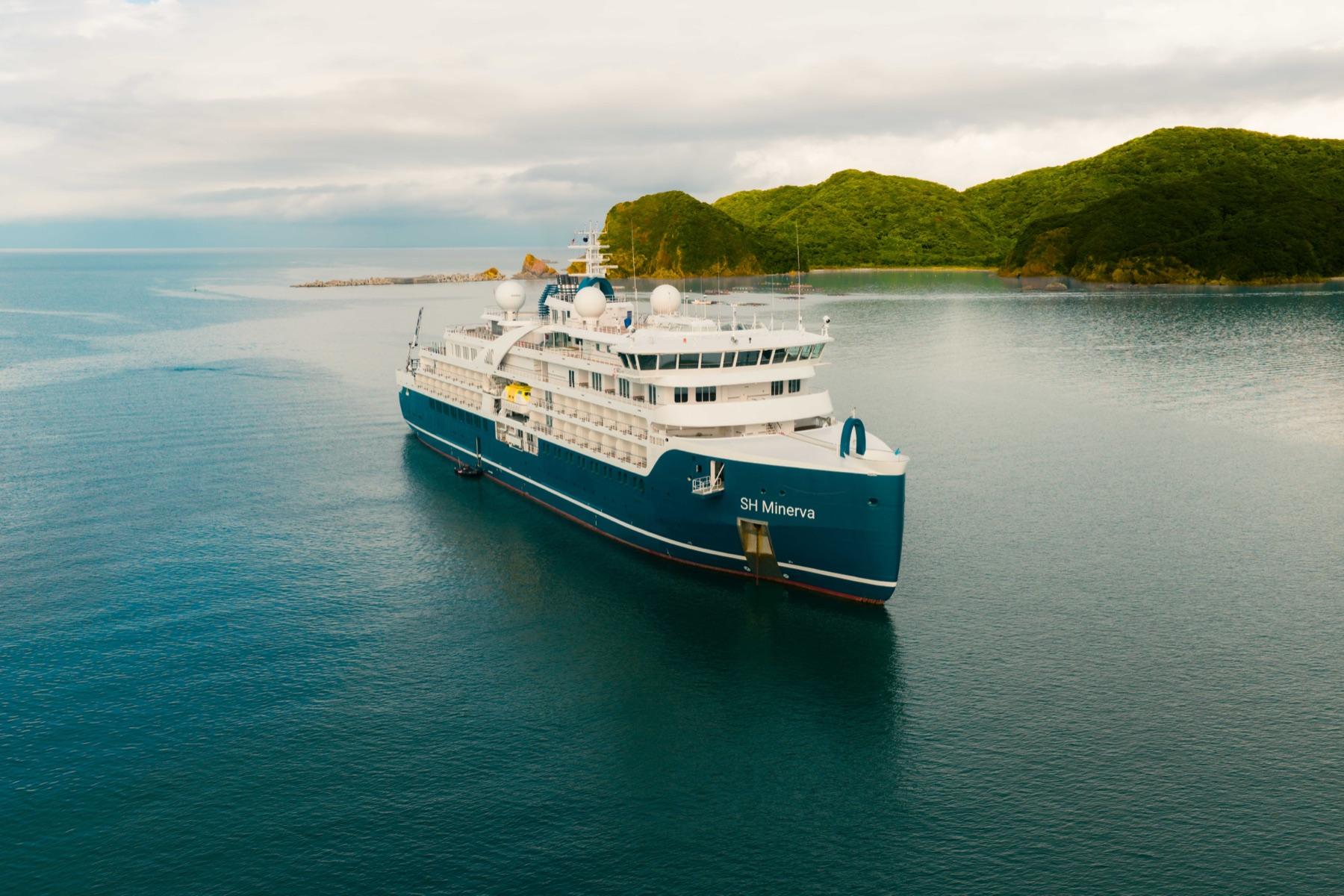
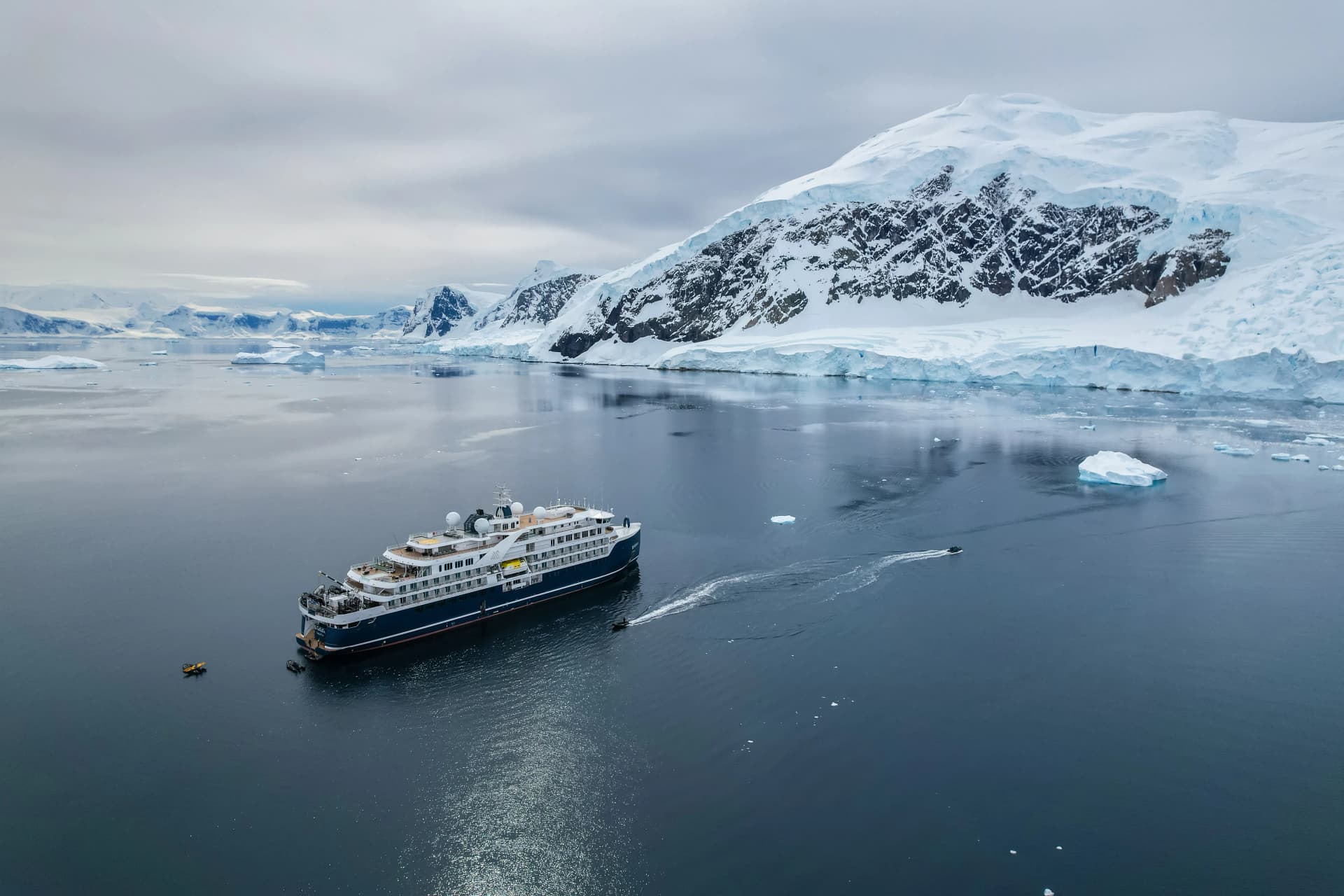


Our ships offer a variety of staterooms, from intimate solo rooms to spacious suites. Available accommodations vary by vessel and specific itinerary, ensuring there is a perfect option for every traveller.


Features
From remote polar regions to ancient cultures, discover other unforgettable journeys that could be your next great adventure.

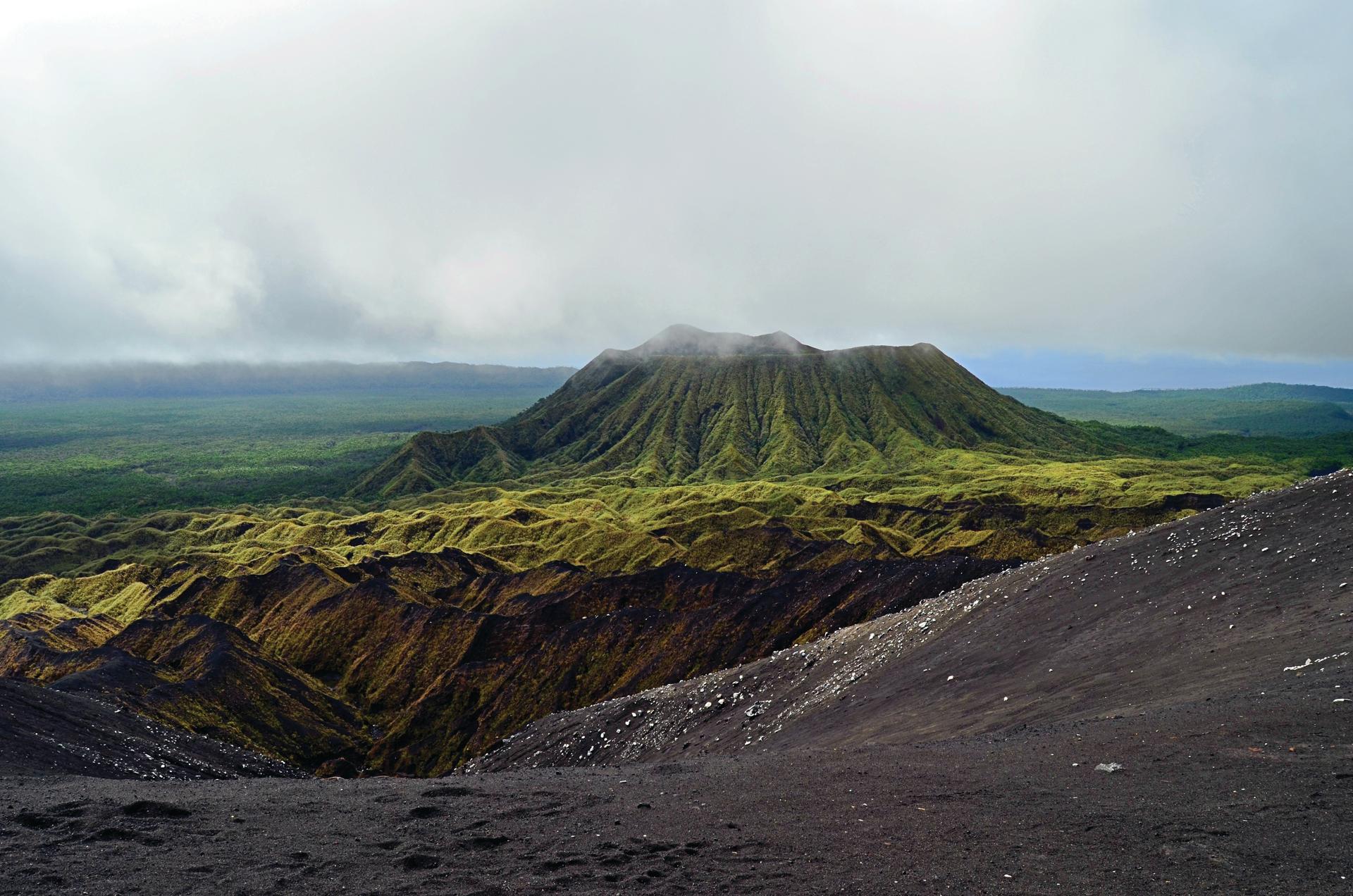


Boutique luxury expedition cruises designed for those who seek meaning beyond the horizon.
Swan Hellenic specialises in cultural expedition cruises, offering immersive journeys to remote and historic destinations. Their fleet of elegant, ice-class ships, featuring Scandinavian design, provides luxurious accommodations and expert-led experiences. With a focus on unique itineraries and high staff-to-guest ratios, Swan Hellenic delivers enriching adventures for discerning travelers.

Swan Hellenic
Best in Antarctica
Swan Hellenic
Best Value for Money
For inquiries and reservations, please submit your request on our website. Your unforgettable Swan Hellenic voyage awaits.









Excursion & Collaboration Winner
Sailawaze 2025